Pathway to Equity is a Technical Design Partner
For Permanent Affordability and Resident Ownership
It was formed to address a persistent gap in affordable housing practice: the lack of durable structures that integrate affordability, ownership, and governance over the long term.
Many housing initiatives succeed at delivery but struggle to endure. When affordability expires or governance is weak, communities lose stability and control.
Our Purpose
Pathway to Equity supports the implementation of permanently affordable, resident-owned housing by focusing on the systems that hold projects together over time.
This work centers on long-term ownership structures, clear and enforceable governance, and responsible transitions from development to stewardship. The goal is not to invent new models, but to help proven approaches function credibly and consistently across settings.
The organization is designed to support projects across urban and rural contexts, adapting to local legal, financial, and governance conditions.
What We Are Not
Pathway to Equity does not build housing, own property, or act as a landlord.
Our Approach
This work is grounded in restraint, clarity, and long-term thinking.
Pathway to Equity prioritizes durability over speed, governance over optics, and stewardship over short-term gains. We aim to support housing systems that remain legible, accountable, and community-controlled across generations.
Pathway to Equity’s approach is informed by decades of experience and early, precedent-setting work navigating adaptive reuse, historic districts, and complex public review processes.
How Pathway to Equity Is Funded
Our work is supported through a combination of:
- Philanthropic support aligned with systems change, permanent affordability, and shared-equity housing
- Fee-for-service technical design and integration work with mission-aligned partners
- Project-based engagements tied to implementation, replication, and governance setup
This blended approach allows Pathway to Equity to invest in model development and field infrastructure while remaining independent of any single project, developer, or capital source.
Our Governance
Pathway to Equity is currently founder-led, with governance intentionally structured to evolve alongside the organization’s growth.
- The organization is led by its Founder, who is responsible for strategy, model design, and partner integration.
- A formal board of directors is planned as the organization transitions from early development into broader implementation and replication.
- Advisory relationships are used selectively to inform legal, financial, and governance design without compromising mission alignment or independence.
This phased governance approach reflects Pathway to Equity’s core principle: structures should be durable, transparent, and appropriate to their stage of development—whether for housing, land, or the organizations stewarding them.
Precedent-Setting Work
Selected Founder-Led Private-Practice Projects
Adaptive Reuse
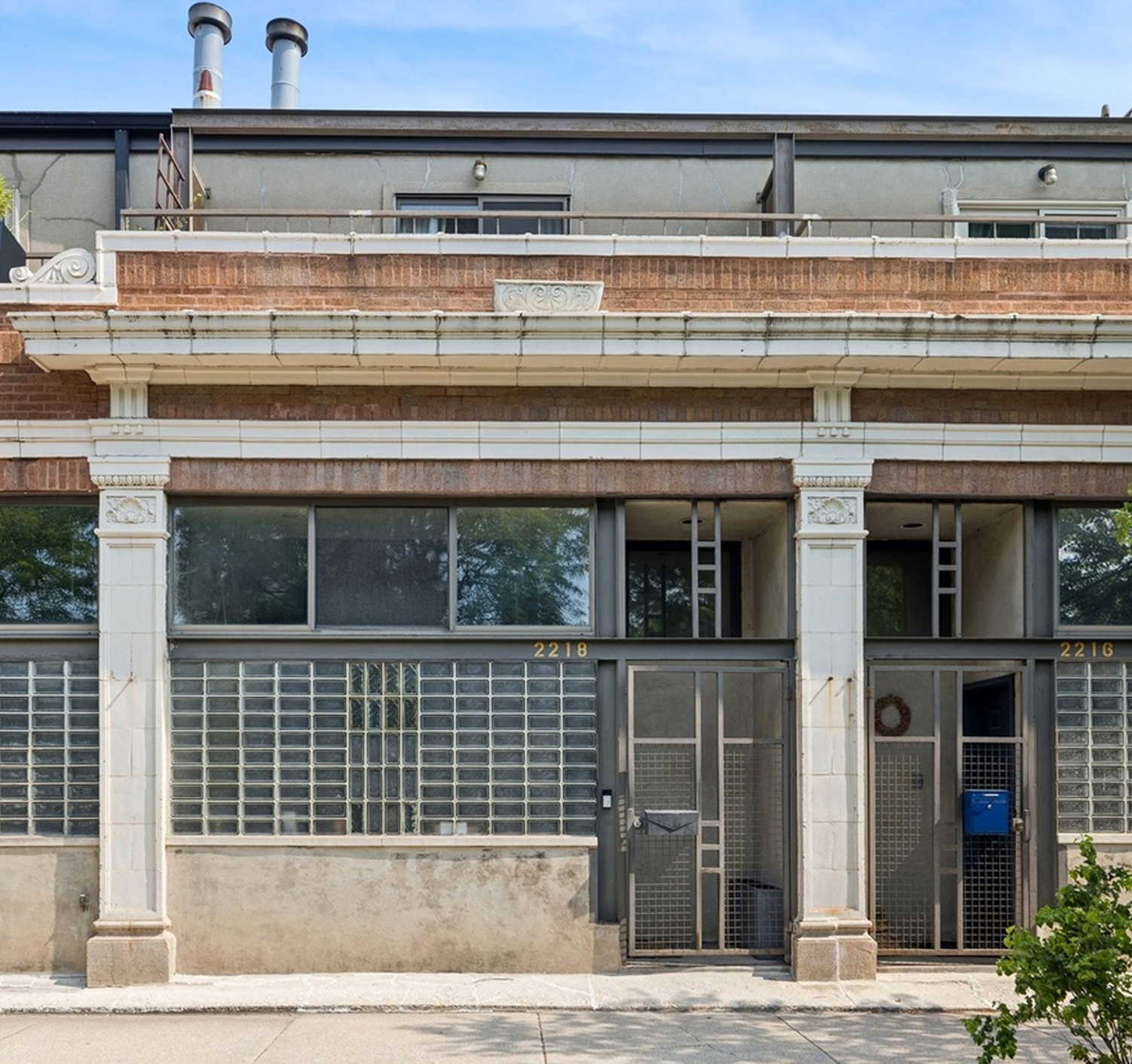
2214–2224 Potomac, Chicago (1994) — featured in a Chicago Landmark Commission publication on adaptive reuse of commercial storefronts
Completed before adaptive reuse ordinances or incentive programs, Potomac Place converted existing commercial storefronts into residential use through market-driven design and financing. The project required a targeted rezoning from R3 to R5 to enable reuse without parking, followed by an immediate downzoning to contain the entitlement and prevent broader zoning impacts. It was later featured in a Chicago Landmark Commission publication recognizing its contribution to neighborhood continuity and historic building reuse, establishing an early precedent for adaptive reuse as a viable, durable housing strategy.
Modernist Design in a National Historic District
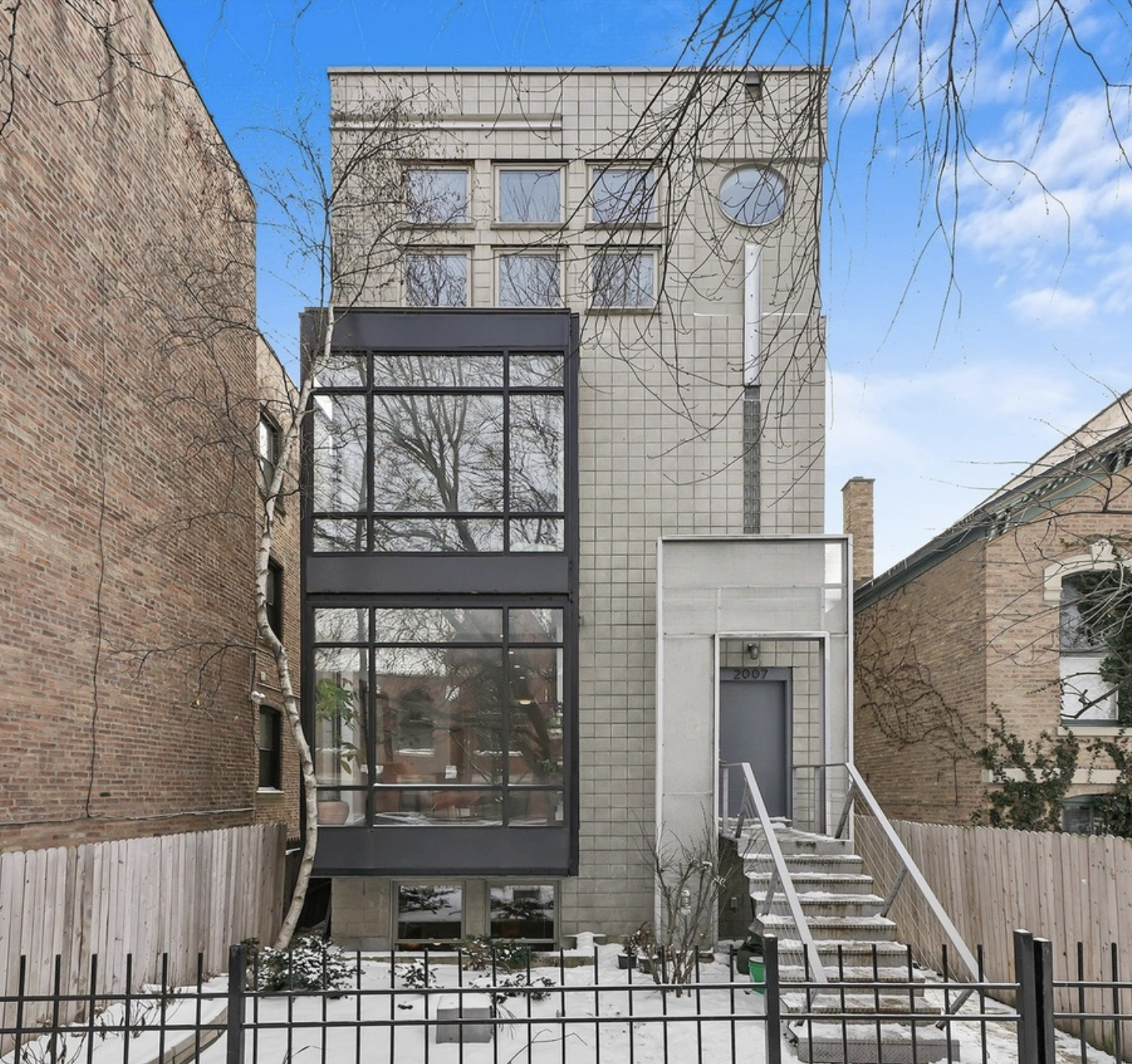
2007 Evergreen, Chicago (1996) — recognized by the City of Chicago Landmark Commission
Approved and constructed as the first modernist building within this National Historic District, the project advanced contemporary architecture in a highly regulated preservation context. Its approval and recognition followed extensive public review and debate, and it was ultimately recognized by the City of Chicago Landmark Commission for excellence in new construction—establishing a precedent for modern design within historic urban fabric.